The Boring Truth That Builds Bodies: Why Adding Weight to the Bar Still Beats Every Fitness Trend

Let's be honest about something: the fitness industry is largely built on your impatience.
Every January, a new wave of programs, powders, and philosophies floods the market. Metabolic confusion. Muscle confusion. Intermittent fasting stacked on top of carb cycling stacked on top of blood flow restriction training. Each one comes with a compelling pitch and a before-and-after photo that may or may not be from the same person. And every year, millions of guys buy in, see inconsistent results, and reset the cycle all over again.
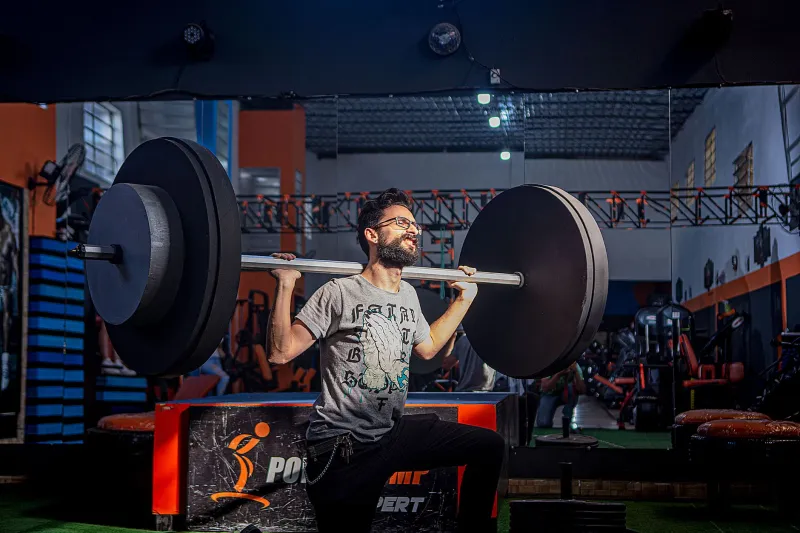
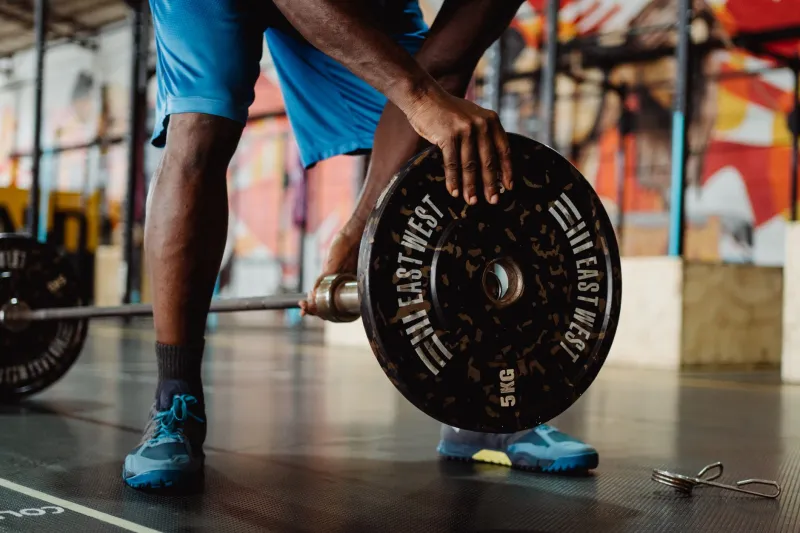
Meanwhile, somewhere in a basic gym with basic equipment, a guy is adding five pounds to the bar and getting quietly, undeniably stronger. He's not confused. He's progressing.
What Progressive Overload Actually Means
The concept isn't complicated, which is probably why it gets overlooked. Progressive overload simply means applying slightly more stress to your muscles over time than they've previously adapted to. That stress can come from more weight, more reps, more sets, shorter rest periods, or improved range of motion. The key word is more—relative to what you did before.
Your body is a remarkably efficient adaptation machine. Give it a reason to get stronger, and it will. Stop giving it a reason, and it won't. That's the whole game. Every other training philosophy, at its core, is just a variation on this principle dressed up in different packaging.
The problem is that progression is slow, and slow doesn't sell supplements.
The Trend Cycle and Why It Keeps Spinning
Fitness trends follow a predictable arc. Something new gets popularized—CrossFit, HIIT, keto, functional movement patterns, wearable biometrics—and for a while it feels revolutionary. Early adopters see real results, partly because any structured training beats no training, and partly because novelty itself creates motivation.
But then the results stall. The novelty wears off. The program stops working the way it did in week two. And instead of recognizing that the issue is inconsistency or lack of progression, the industry's answer is always the same: you need something new.
This is the treadmill that keeps guys spinning their wheels for years. Not the cardio kind—the metaphorical kind where you're always moving but never actually getting anywhere.
Timeless training doesn't have a marketing budget. You can't sell "do the same lifts and add weight gradually" with a slick Instagram campaign. But that's exactly what works.
Patience Compounds Like Interest
Here's a framework worth tattooing on your brain: think about progressive overload the way Warren Buffett thinks about compound interest. The gains in week one are almost invisible. Month three doesn't look dramatically different from month one. But year three? Year five? That's where the math gets interesting.
A guy who adds five pounds to his squat every two weeks will squat 130 pounds more in a year than he did when he started. Do that across your main lifts for three years without constantly resetting to chase something new, and you're looking at a physique and strength level that most trend-chasers never approach—not because they lack genetics, but because they never let the interest compound.
Patience isn't passive. It's one of the most aggressive things you can do in a culture that rewards immediacy and punishes delayed gratification. Choosing to trust a slow process when everything around you is screaming for faster results takes real discipline. That discipline is the real product of consistent training—and it transfers.
The Mindset Shift That Changes Everything
Here's where this stops being just about lifting and starts being about the kind of man you're building.
The discipline required to show up on a Tuesday when you're tired, add your five pounds, do your work, and leave without drama—that's the same discipline that makes you reliable at work, steady in relationships, and clear-headed when pressure builds. The gym is a proving ground for the mental habits that shape everything else.
Trend-chasing in the gym and trend-chasing in life share the same root: the belief that there's a shortcut you haven't found yet. The antidote in both cases is the same—commit to a process, measure it honestly, and stay the course long enough to see what consistent effort actually produces.
The guys who look the best and perform the best aren't following the most complicated programs. They're following their program. Consistently. For years.
A Practical Look at Timeless vs. Trendy
| Trendy Approach | Timeless Approach |
|---|---|
| New program every 4-6 weeks | Same core lifts, progressive loading |
| Chasing the "optimal" protocol | Executing a good-enough protocol consistently |
| Supplement-dependent results | Food, sleep, and recovery as the foundation |
| Motivated by novelty | Motivated by measurable progress |
| Resets when progress stalls | Troubleshoots and adjusts the same plan |
None of this means you can never try something new or that every fitness innovation is worthless. It means your core programming should be anchored in something proven, and novelty should serve the program—not replace it.
How to Actually Apply This
Start simple. Pick four to six foundational movements: a squat pattern, a hip hinge, a horizontal push, a vertical pull, a horizontal row, and a carry. Build your training week around those. Track every session—weight, sets, reps. Make it your goal to improve at least one variable every single week.
When you plateau—and you will—don't abandon the program. Adjust the loading scheme, add a deload week, improve your sleep, or tighten up your nutrition. The answer is almost never "start a different program."
Give it six months before you evaluate whether it's working. Not six weeks. Six months. Most guys quit programs right before the compounding would have kicked in.
The Long Game Is the Only Game
Fitness culture is saturated with noise. New research, new influencers, new protocols, new reasons to second-guess what you're doing. Cut through it by anchoring yourself to one immovable principle: progressive overload works. It has always worked. It will keep working after the next trend has come and gone.
The strongest, most impressive physiques you've ever seen weren't built on a six-week challenge. They were built on years of showing up, adding weight, eating well, sleeping enough, and refusing to be seduced by shortcuts.
Be the guy who adds his five pounds and goes home. Do it again next week. Watch what happens over years, not days.
That's the boring truth. And boring, in this case, is exactly what you want.