Sleep Hacking Is Wrecking Your T: What Guys Who Train Hard Actually Need at Night
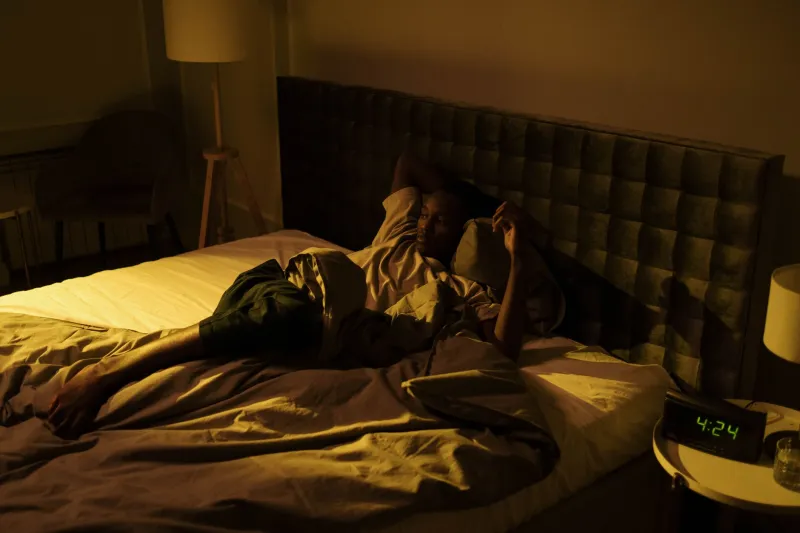
Somewhere between the blue-light blocking glasses, the magnesium glycinate stacks, the sleep tracking apps, and the strict 10 PM bedtime alarms, a lot of guys who train seriously have turned going to sleep into a second job. And ironically, that obsession with optimizing rest is probably one of the reasons they're waking up flat, foggy, and running on fumes.
Here's the uncomfortable truth: the wellness industry monetized your sleep the same way it monetized your diet and your recovery. It found something that genuinely matters — and it buried the simple version under so many products and protocols that the anxiety of doing it wrong became worse than just going to bed.
For guys who lift heavy and care about their hormones, that anxiety isn't just annoying. It's physiologically destructive.
The Cortisol-Testosterone Seesaw You're Ignoring
Let's get into the actual biology for a second, because it matters here. Testosterone and cortisol operate in direct opposition. When cortisol goes up — whether from a hard training session, a bad day at work, or the low-grade stress of lying in bed worried about whether your sleep score is going to drop — testosterone takes a hit.
Research published in the Journal of Clinical Endocrinology & Metabolism has confirmed that the majority of your daily testosterone is produced during sleep, particularly during the slow-wave and REM stages in the second half of the night. Disrupt that, and you're cutting off hormone production at the source.
But here's where it gets interesting: the stress response triggered by sleep performance anxiety — checking your Oura ring obsessively, panicking when you can't fall asleep by 10:15, lying awake cataloging every possible reason your recovery score was orange instead of green — that stress is real. Your nervous system doesn't distinguish between a bear and a bedtime alarm. Cortisol spikes either way.
A growing body of research around what's being called orthosomnia — the obsessive pursuit of perfect sleep data — shows that people who over-monitor their sleep often report worse sleep quality and higher stress than people who don't track at all. You're essentially creating the problem you're trying to fix.
The Supplement Stack That's Doing Nothing (Or Worse)
Let's talk about the nighttime supplement cabinet, because it's gotten out of hand. Magnesium, zinc, ashwagandha, melatonin, L-theanine, GABA, phosphatidylserine — if you're cycling through all of these before bed, you're not optimizing. You're experimenting on yourself without a control group.
Magnesium and zinc genuinely matter if you're actually deficient, which many hard-training guys are due to sweat losses. The ZMA research is real, though modest. But most of the rest of that stack? The evidence is thin, the doses in commercial products are often too low to do anything meaningful, and stacking five or six compounds together makes it impossible to know what's actually working.
Melatonin is the big one to address. It's not a sleep supplement in the way most guys use it. It's a circadian timing signal. Taking 5-10mg every night because it's on the shelf at Costco is overkill — most research suggests 0.5mg is effective for shifting your sleep timing, and chronic high-dose use may actually suppress your body's natural melatonin production over time. That's the opposite of what you want.
If you're going to supplement for sleep and recovery, keep it targeted: fix a confirmed magnesium deficiency, use melatonin sparingly for travel or schedule disruption, and skip the rest unless you have a specific reason backed by bloodwork.
What Actually Moves the Needle for Testosterone at Night
Strip away the noise, and the fundamentals are almost boring in how straightforward they are. But boring works.
Duration matters more than timing. Getting seven to nine hours of actual sleep does more for your testosterone than hitting the pillow at exactly 10 PM. Consistent chronically short sleep — under six hours — has been shown to reduce testosterone levels by as much as 10-15% in young, healthy men after just one week. That's the equivalent of aging your endocrine system by years. The total hours you're banking matter enormously.
Darkness is real, but it's simple. Your bedroom doesn't need blackout curtains rated to NASA specifications. It needs to be reasonably dark. A cheap sleep mask does the job if your room gets street light. The blue-light blocking glasses worn four hours before bed might help some guys, but the evidence is mixed, and if wearing them is adding another step to a routine that already feels like a chore, the stress of the routine probably cancels out the benefit.
Room temperature is underrated. Cooling your core body temperature is a genuine sleep trigger. Keeping your room between 65-68°F is one of the most evidence-backed sleep quality interventions that costs nothing. A cooler room improves slow-wave sleep, which is the stage most associated with growth hormone release and physical recovery. This one's free — use it.
Alcohol is the quiet T-killer. One or two drinks might feel like they help you wind down, and they do — by sedating your nervous system. But alcohol suppresses REM sleep, fragments the second half of the night, and has a measurable negative effect on testosterone production. If you're serious about your hormones, the nightly beer or whiskey is working against you more than any sleep tracker ever could.
The Mental Shift That Changes Everything
The strongest guys in any gym aren't usually the ones with the most sophisticated sleep protocols. They're the ones who've built consistent, simple habits and stopped treating every night like a performance metric.
Sleep is a biological function, not a skill to master. Your body knows how to do it. Your job is to stop interfering — stop flooding it with stimulants until 11 PM, stop staring at screens that signal daytime to your brain, stop eating a massive meal an hour before bed, and stop lying there running the mental math on whether you're going to hit eight hours.
The anxiety loop is the enemy. And the wellness industry built it deliberately, because a man who sleeps fine doesn't buy anything.
A Simple Framework for Guys Who Train
If you want a practical starting point, here's what the evidence actually supports:
- Consistent wake time, every day. This anchors your circadian rhythm better than any bedtime ritual.
- Train hard, but not within two hours of sleep. Elevated core temp and cortisol from late-night sessions can delay sleep onset significantly.
- Limit alcohol, especially within three hours of bed. This is a non-negotiable if hormones matter to you.
- Cool, dark room. Simple, free, effective.
- Ditch the tracker for a month. Seriously. See how you feel when you stop grading yourself.
You don't need to optimize sleep. You need to protect it. There's a difference, and it's one the wellness industry doesn't want you to figure out.